 blog
5 Best Ways to Sell High-End Pokémon Cards
Table of Contents
- Quick Comparison: Five Ways to Sell Pokémon Cards
- 1. Sell Through Online Marketplaces and Auctions
- 2. Use a Consignment Service
- 3. Sell to a Local Card Shop or Buyback Dealer
- 4. Sell Directly to Collectors
- 5. Use a Dedicated App or Online Buyback Service
- Choosing the Right Method and Getting Your Cards Sold
- Frequently Asked Questions
Last Updated: November 24, 2026
If you want to sell high-end Pokémon cards for the most money, the answer depends on three things: how much time you can spend, how fast you need cash, and how much fee you can accept. At bryan sports cards, we buy premium Pokémon singles valued over $10, along with graded Pokémon and sports cards. This guide walks through five practical ways to sell and explains which one fits your situation.
Most collectors who sell well do not pick a method by instinct. They compare the final amount they keep after fees, shipping and time. A card that sells for $500 on a marketplace may net less than a lower offer once fees, packaging and a failed sale are factored in. We will show you how to run that math before you commit.
The core rule is simple. Higher effort usually means a higher possible price. Faster payment usually means a lower one. Knowing where you sit on that trade-off is the first step.
Quick Comparison: Five Ways to Sell Pokémon Cards
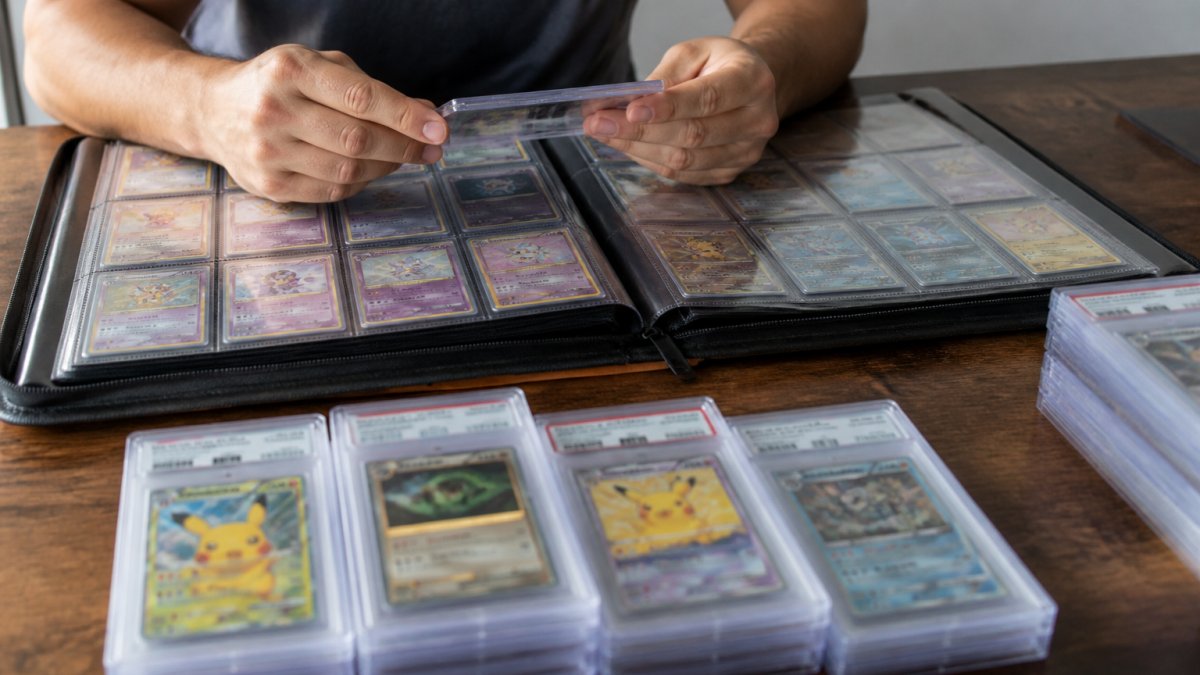
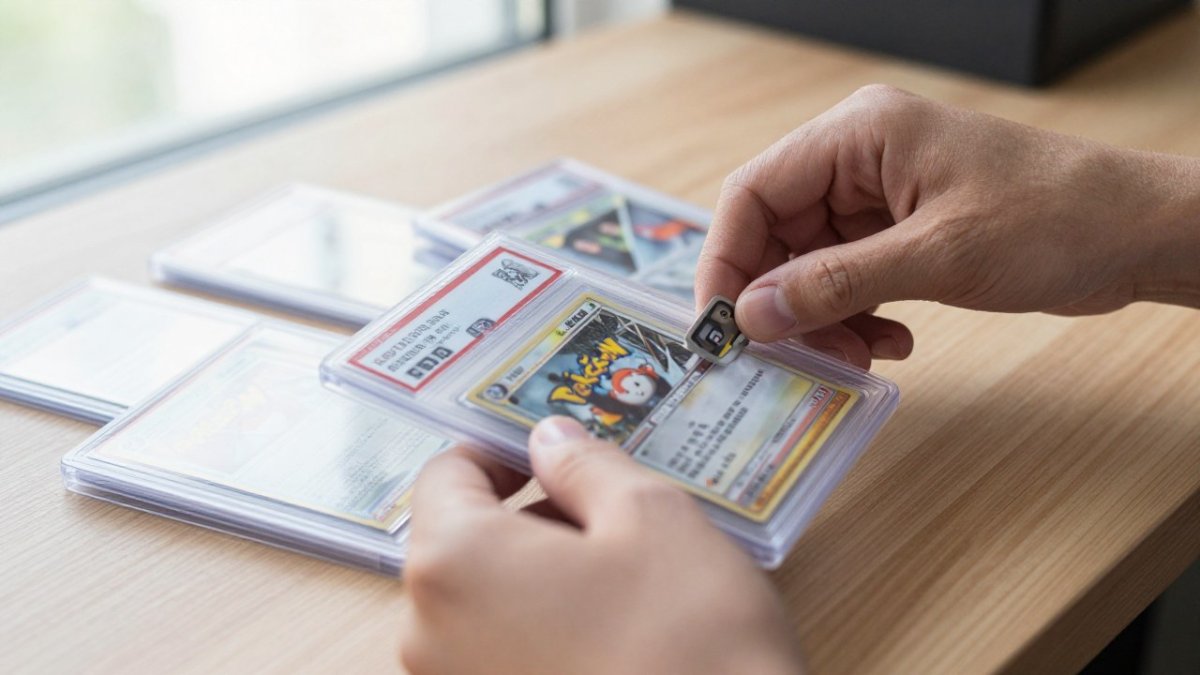
Photograph a stack of graded Pokémon cards in protective slabs on a wooden table beside a notepad. Sort them before you decide where to sell.
| Method | Speed | Typical Fees | Best For |
|---|---|---|---|
| Online marketplaces and auctions | Days to weeks | Seller fees and commission | Maximum price, patient sellers |
| Consignment service | Weeks | Commission on sale | Rare cards, no selling time |
| Local card shop or buyback | Same day | Built into the offer | Fast cash |
| Direct sale to collectors | Days to weeks | Usually none | Known buyers, good prices |
| Dedicated app or online buyback | Days | Built into the offer | Convenient, mid-value cards |
Fee structures change, so check current terms on each platform before you list.
1. Sell Through Online Marketplaces and Auctions
Online marketplaces usually reach the largest pool of buyers, and for high-end cards that competition often produces the highest sale price. The trade-off is effort and fee drag. You handle photos, listing titles, condition descriptions, shipping, returns, and the possibility of a dispute after the sale.
Start with sold data, not asking prices. Filter completed sales for the same card, grade, and grade label, then narrow to sales within the last 60 to 90 days. Asking prices show what sellers hope for; sold prices show what buyers actually pay. If a card has no recent comparable sales, widen the window and note the trend rather than anchoring to an old peak.
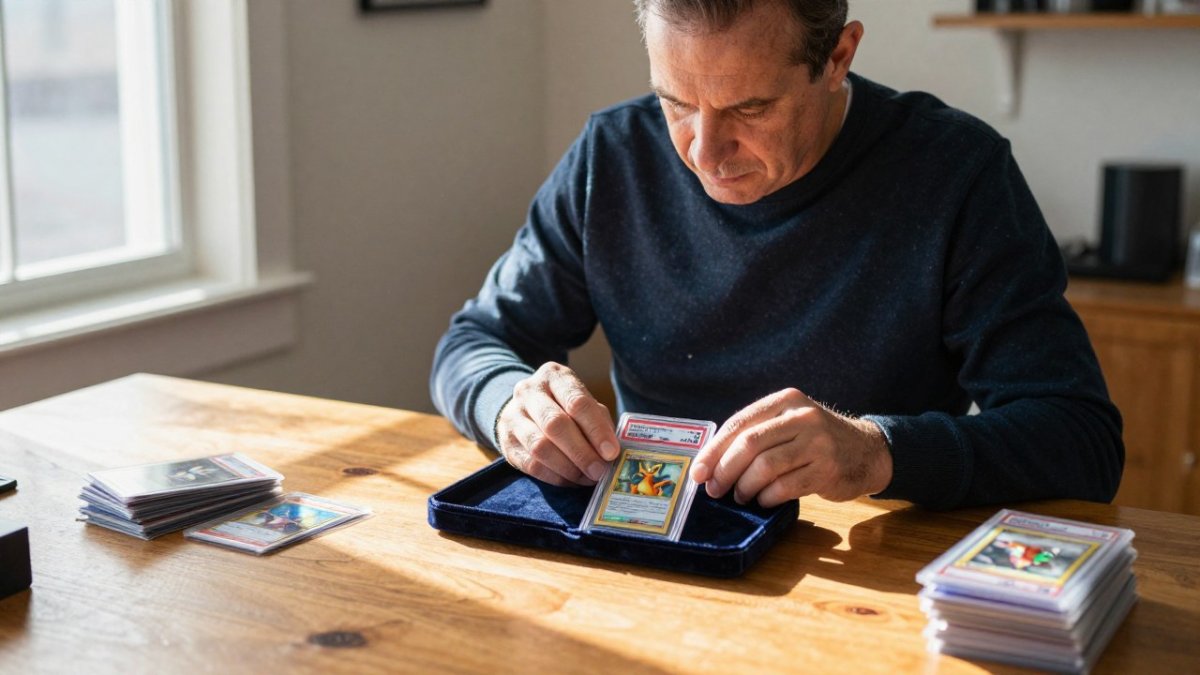
Choose the listing format deliberately. Before you list, learn how to organize high-value singles for appraisal. Auction works when the card is liquid and has a deep buyer pool, because bidding can push the final price above a fixed listing. Fixed-price with a best-offer option works when you have a firm number from recent comps and can wait for the right buyer. For a single expensive card, a short auction timed to end on a weekend evening often draws more bidders than a long fixed listing.
Run the net-proceeds math before you list. Take the expected sale price, subtract the platform's final value fee, subtract payment processing if it is charged separately, subtract shipping cost, and subtract insurance for the declared value. A $500 sale with a 13% final value fee, $15 shipping, and $8 insurance nets roughly $412 before any return or dispute. That number, not the $500 headline, is what you compare against a dealer offer.
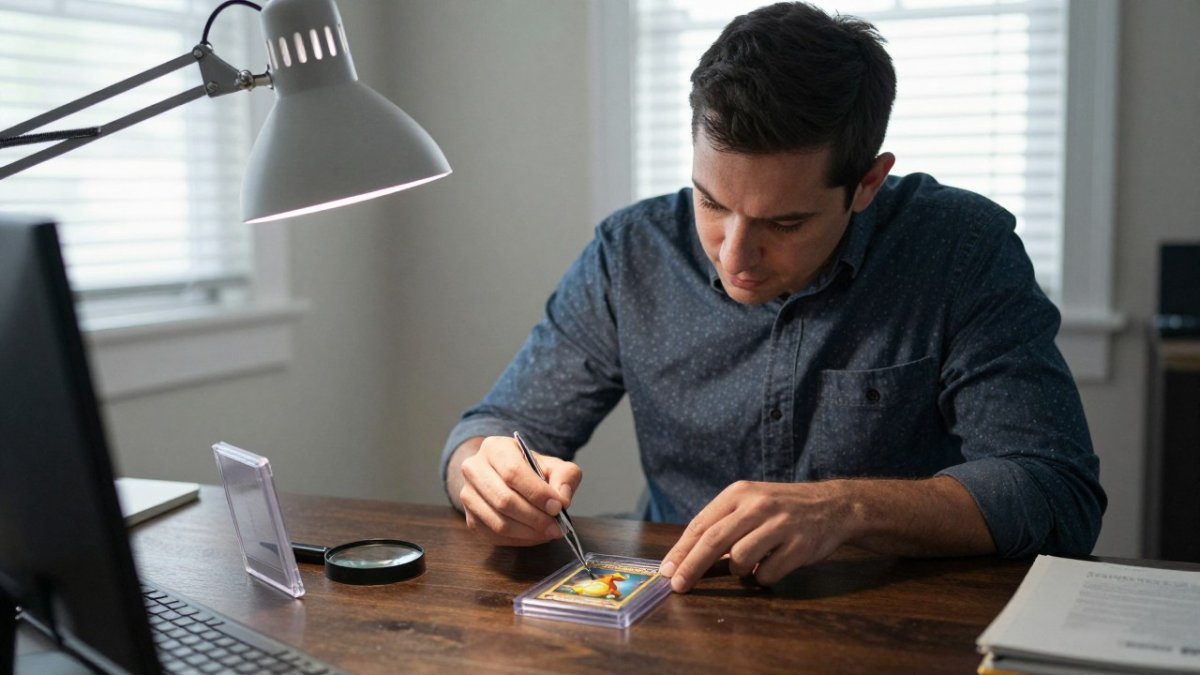
Document condition before the card leaves your hands. Photograph the front and back under even light, capture any whitening on edges or corners, and note centering. Keep the raw photos. If a buyer later claims the card arrived damaged or not as described, your pre-shipment images and the carrier's tracking and delivery confirmation are your evidence.
Watch out: Listing a valuable card without tracked, insured shipping leaves you exposed if the package goes missing, and a carrier scan showing delivery is often the difference between a resolved claim and a chargeback.
Pros: Largest buyer pool, price discovery through bidding, control over your listing and terms. Cons: Seller fees reduce net proceeds, buyer disputes and returns happen, you do all the photography, listing, and shipping work.
2. Use a Consignment Service
A consignment service sells the cards for you and takes a commission. You ship the cards, the service lists and markets them, and you receive payment after a sale. This suits sellers who have valuable cards but no time to manage listings.
Compare the commission rate and what it covers. Some services charge extra for shipping, insurance or photography. Ask for the full fee schedule in writing before you send anything.
Pros: No listing work, access to an established customer base, professional presentation. Cons: Commissions cut your payout, payment can take weeks, you wait for a sale.
3. Sell to a Local Card Shop or Buyback Dealer
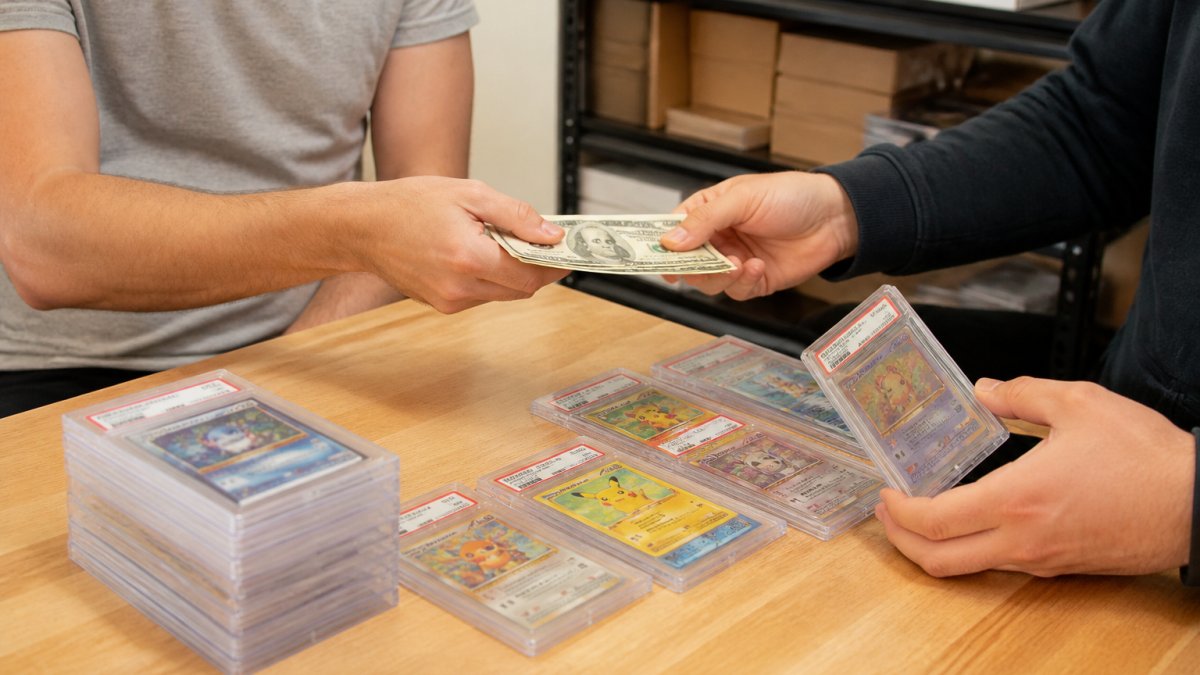
Local card shops and buyback dealers offer the fastest route to cash. You bring the cards, get an offer, and often leave with payment the same day. The offer will be lower than full retail value because the shop needs margin to resell.
Get more than one offer before you accept. A dealer's offer depends on current demand and their inventory needs, so prices vary. Ask how the offer was calculated and whether it can change after inspection.
Pros: Same-day payment, no shipping risk, simple process. Cons: Offers are usually below the top sale price, selection varies by shop.
4. Sell Directly to Collectors
Selling directly to a collector can bring a price close to market value because no marketplace takes a final value fee and no consignment service takes a commission. The catch is that you are also the marketplace: you find the buyer, set the price, collect payment, ship, and absorb the risk. This route rewards sellers who already know their card's comps and have a buyer in hand.
Price from completed sales, not from what the buyer says the card is worth. Pull the same grade and grade label from recent sold listings, adjust for condition differences, and quote a number you can defend. A collector who wants a specific card to finish a set will often pay near the top of the recent range, but only if you can show why the number is fair.
Use a payment method with buyer and seller protection, and confirm the funds have cleared before shipping. If grading would raise your sale price, learn the steps to submit sports cards to PSA. For a high-value card, a payment that can be reversed after delivery is the main fraud risk. Keep the transaction inside a platform that records the agreement, or use a payment service that documents the sale, rather than accepting an irreversible transfer from a stranger.
Document the card and the shipment as if a dispute is certain. Photograph the card front and back, photograph it inside the holder, and photograph the packed box with the label visible. Insure the shipment for the declared value and keep the receipt. Send the tracking number to the buyer in writing so the delivery record ties to the sale.
For direct sales, documentation matters as much as pricing. Keeping clean photos, a written price agreement, tracked and insured shipping, and a delivery record protects you if a chargeback or counterfeit-substitution claim arises.
Pros: Few or no fees, strong prices for the right card, flexible terms and timing. Cons: Finding a buyer takes time, fraud and chargeback risk is higher, and you handle all pricing and documentation yourself.
5. Use a Dedicated App or Online Buyback Service
Dedicated apps and online buyback services let you enter card details, receive an offer, and ship your cards in. They sit between a shop and a marketplace: faster than listing yourself, usually with a lower offer than the top sale price.
Read the offer terms carefully. Find out whether the offer is final, what happens if your cards grade differently than expected, and how long payment takes after the cards arrive. Payout timing varies between services, which matters if you need cash quickly.
Pros: Convenient offers, no listing work, straightforward shipping. Cons: Offers are typically lower than marketplace prices, payout timing varies.
Choosing the Right Method and Getting Your Cards Sold
Pick your method by working through three questions. To establish a documented value for your cards, see how to determine trading card value for insurance. How much is each card worth? How soon do you need the money? How much risk and work are you willing to take on?
For a few very valuable cards and time to wait, marketplaces or consignment usually net the most. For fast cash on a moderate collection, a local shop or online buyback is the practical choice. For a single standout card with a known buyer, a direct sale can beat both.
Whichever route you choose, document everything. Save photos, listing details, offers and shipping receipts. Good records protect you if a sale goes wrong.
Ready to sell? Visit bryan sports cards to see what we buy and request a quote. Pricing depends on quantity, card details and delivery, so check our website for current pricing.
Frequently Asked Questions
What is the best way to sell expensive Pokémon cards?
For most high-value cards, a reputable online marketplace or auction gives the highest sale price, because it reaches many competing buyers. Consignment and local shops are faster but usually pay less, since the seller takes a commission or the shop needs room to resell at a profit. Compare net proceeds after fees, shipping and insurance, not the listed price. If you need cash quickly, a buyback service that quotes before you ship can be the better choice, even at a lower price.
Where can I sell Pokémon cards for cash online?
Buyback services and online card dealers pay cash, often after you ship your cards and they inspect them. Some offer a quote before you send anything, which lets you decline without paying shipping. Marketplaces pay you only after a buyer completes a sale, which can take days or weeks. Check each provider's payout timing, fees and inspection process before shipping valuable cards, and keep tracking and insurance on every shipment.
Is it better to sell high-end Pokémon cards graded or ungraded?
Graded cards generally sell faster and for more money at high values, because buyers can verify condition and authenticity without inspecting the card themselves. Grading costs money and takes time, so it only makes sense when the expected increase in value exceeds the grading fee and turnaround cost. Ungraded cards can still sell well, but expect buyers to offer less and to ask more questions about condition.
How do I sell high-end Pokémon cards safely?
Use a platform with buyer protection, ship with tracking and insurance, and photograph each card front and back before packing. Keep your listing details, messages and shipping receipts in one place so you can document any dispute. Avoid buyers who ask to pay outside the platform, and never send cards before you confirm the payment has cleared.