 blog
Secure Payment Methods for High-Value Card Transactions
Last Updated: November 26, 2026
Quick Summary
A payment method is secure for high-value card transactions when it gives the buyer strong fraud protection, a clear dispute process and a verifiable record of the payment. Credit cards generally offer stronger buyer protection than debit cards, and established merchant processors with fraud screening and chargeback processes are the safest choice for sellers.
- Look for encryption at checkout, multifactor authentication, and the ability to reverse a charge.
- Credit cards draw from a line of credit, so a disputed amount does not drain your checking balance.
- Federal law caps credit cardholder liability for unauthorized use at $50 if the loss is reported promptly.
- Sellers should confirm a high-value charge has moved from authorized to captured before shipping goods.
- Avoid gift card requests, unfamiliar wire transfers, and friends-and-family app payments for expensive items.
Table of Contents
- What Makes a Payment Method Secure for High-Value Card Transactions?
- Credit Cards vs. Debit Cards for High-Ticket Purchases
- The Safest Payment Method for Sellers
- Credit Card Fraud Protection for Online Purchases
- Payment Methods for High-Value Collectibles
- Electronic Payment Apps and When They Fall Short
- Choosing Your Payment Method Before Your Next Big Sale or Purchase
- Frequently Asked Questions
What Makes a Payment Method Secure for High-Value Card Transactions?
A payment method is secure for high-value card transactions when it gives the buyer strong fraud protection, a clear dispute process and a verifiable record of the payment. Speed and convenience matter, but protection matters more once the amount climbs into the hundreds or thousands of dollars.
Several features separate a secure method from a risky one. Look for encryption during checkout, multifactor authentication, and the ability to reverse a charge if the item never arrives or is not as described. Stored payment details should also be tokenized rather than passed around in plain text.
Watch out: a method that cannot be reversed can leave you with no recourse if the seller disappears. Confirm the protections before you send any money.
Credit Cards vs. Debit Cards for High-Ticket Purchases
Credit cards generally offer stronger buyer protection than debit cards for large purchases. A credit card charge is drawn from a line of credit, so a disputed amount does not leave your own bank balance short while the dispute is resolved.
Debit cards draw directly from your checking account. Some card networks still provide dispute rights, but the money is out of your account during the process. For that reason, many buyers use a credit card for high-ticket items and keep debit cards for smaller everyday spending.
Transaction limits also differ. Issuers set daily and per-transaction authorization limits, so a large purchase may be declined unless you contact your bank first.
The table below compares the two card types on the points the article covers for large purchases.
| Factor | Credit card | Debit card |
|---|---|---|
| Source of funds | Line of credit | Checking account |
| Disputed amount | Does not drain your balance | Out of your account during dispute |
| Common use | High-ticket purchases | Smaller everyday spending |
| Transaction limits | Set by issuer; may need a call first | Set by issuer; may need a call first |
The Safest Payment Method for Sellers
For sellers, the safest method is usually one that confirms funds before the item ships, gives a clear record of the sale, and keeps the seller inside a dispute process they can actually win. Card payments processed through an established merchant account typically meet that standard, because the processor runs authorization and fraud screening before the funds are captured, and the card networks give both sides a defined chargeback process.
That process is the part sellers underestimate. A cardholder can dispute a charge well after the sale, and the window varies by card network and dispute type. The issuer decides whether to reverse the charge, and the merchant then has a short window to respond with evidence. If the merchant cannot produce it, the chargeback stands.
What evidence actually helps depends on the dispute reason code. For an item-not-received claim, the strongest file is a carrier tracking number showing delivery to the address on the order, ideally with a signature or delivery confirmation for high-ticket shipments. For a not-as-described claim, the strongest file is the original listing or invoice showing exactly what was sold, plus photos of the item in its condition at shipment and any messages where the buyer acknowledged the terms. For an unauthorized-charge claim, the strongest file is proof the buyer authenticated, a verified billing address match, a successful 3-D Secure challenge, or a logged-in account with a delivery address that matches prior orders.
Sellers should also understand how authorization behaves on large tickets. Issuers set per-transaction and daily limits, and a high-value charge can trigger a fraud review that holds the authorization rather than declining it outright. A common pattern is for the processor to return an authorization code with a partial approval or a review flag, and the merchant who ships before the funds settle can end up holding the loss. Confirm that the transaction has moved from authorized to captured before releasing high-value goods.
Watch out: requests to pay by gift card, wire to an unfamiliar account, or a "friends and family" app transfer are common warning signs, and a buyer who insists on an irreversible method while asking for expedited shipping is a pattern worth declining.
Avoid accepting payment by methods that cannot be reversed when you cannot verify the buyer. For high-value sales, the practical hierarchy is: a card payment through a merchant account with fraud screening and full evidence capture first, an established marketplace escrow second, and irreversible transfers only with buyers you have already transacted with successfully.
Credit Card Fraud Protection for Online Purchases
Most major card issuers in the United States limit a cardholder's liability for unauthorized charges, and many offer zero-liability policies for fraud reported promptly. The baseline is set by federal law: under the Truth in Lending Act and Regulation Z, a credit cardholder's liability for unauthorized use is capped at $50, and that cap only applies if the cardholder fails to report the loss or theft promptly. Many issuers waive the $50 entirely as a matter of policy. Debit cards sit under a different framework, where liability depends on how quickly the loss is reported, which is one reason credit cards are often the stronger instrument for high-value purchases.
The distinction that matters for large transactions is between a fraud claim and a dispute. A fraud claim says "I did not authorize this charge." A dispute or chargeback says "I authorized the charge, but the goods or services were not delivered, were not as described, or were billed incorrectly." The two follow different processes and require different evidence. For a high-ticket purchase, the buyer should know which one applies before calling the issuer, because misclassifying a merchant dispute as fraud can slow the resolution.
Issuer fraud screening is the other half of the picture. Large card transactions are more likely to trigger step-up authentication, a 3-D Secure challenge, a one-time passcode, or a push notification to the issuer's app, and more likely to be held for manual review. A common pattern is for a high-value online order to be authorized but flagged, and the merchant to hold shipment until the buyer verifies. Buyers who plan a large purchase can call the issuer in advance and ask them to note the expected transaction, which reduces the chance of a decline at checkout.
Practical steps help reduce risk. Use a card with virtual or one-time card numbers when the merchant offers them, enable transaction alerts, and check statements regularly. Shop only on sites that use HTTPS and multifactor authentication for account logins, and verify the checkout domain matches the merchant you intended to buy from, lookalike domains are a common vector for high-value fraud.
Keep records of every high-value purchase, including order confirmations, seller communications and tracking numbers. Those records are the evidence you will need if you file a dispute, and the issuer will typically ask for them within a defined response window once the chargeback is opened.
Watch out: a merchant that asks you to split a large purchase across several cards to stay under authorization limits, or to send payment outside the platform's checkout, is creating a record that is much harder to dispute later.
Payment Methods for High-Value Collectibles
Collectible cards and graded items can carry high values, so payment choice carries real weight. Knowing a card's documented value is also important, and our guide on how to determine trading card value for insurance explains the steps. Before confirming payment, it is a sensible moment to verify the seller and the payment terms.
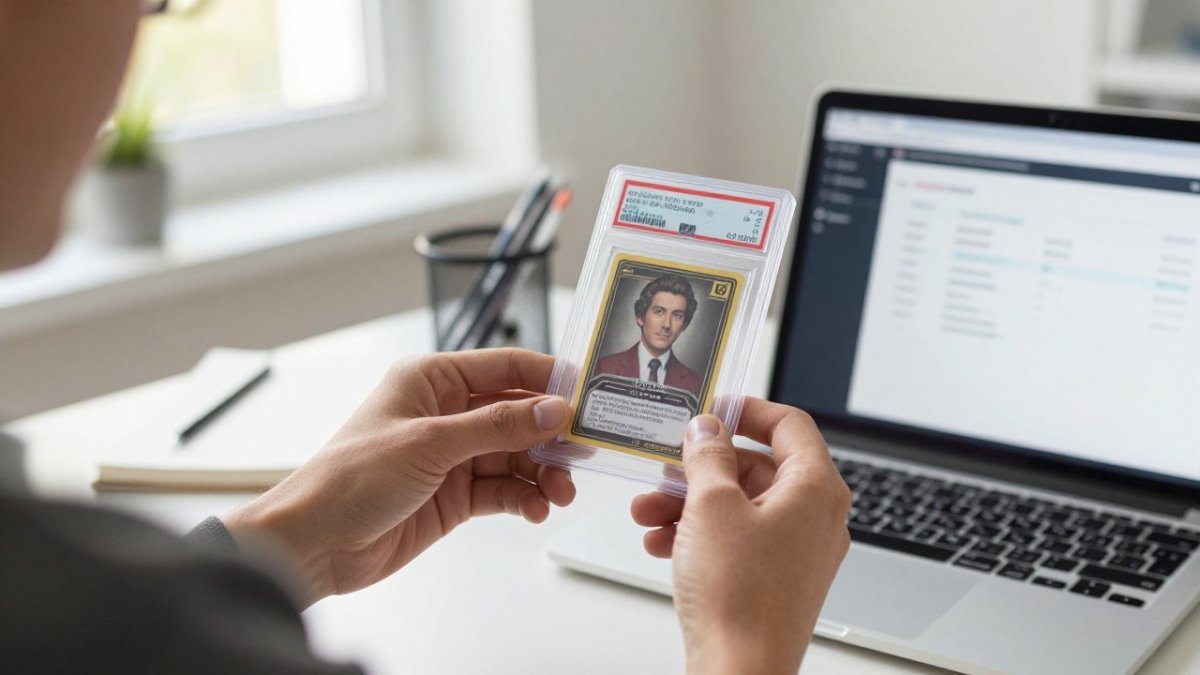
Credit cards and established payment processors usually offer the most protection for these purchases. Bank transfers and wire payments can be fast, but they are difficult to reverse if something goes wrong. Use them only with sellers you already trust.
Before paying, confirm the item's grading, condition and authenticity in writing. A clear description protects you if a dispute arises.
Electronic Payment Apps and When They Fall Short
Electronic payment apps are convenient for small sums between friends. For a broader look at other legitimate places to sell high-value cards, compare where buyers and payment handling are already established. For high-value transactions they often fall short, because protections vary by app and by whether the payment is sent to a person or a business.
Payments sent as "friends and family" may carry no buyer protection at all. Even business-tier payments can have dispute windows that are shorter than what a card offers. Check the app's policy before using it for anything expensive.
When an app does not offer enough protection, a credit card or a regulated payment processor is the stronger choice.
Choosing Your Payment Method Before Your Next Big Sale or Purchase
Choose your payment method before you agree on a price, not after. Our full selling guide for premium Pokemon collections walks through the complete process around the payment method you choose. Decide which protections you need, confirm that the other party accepts that method, and record the agreed terms in writing.
As a simple guide, use a credit card or established processor for high-value buying, verify seller identity and item condition first, and avoid irreversible methods with anyone you cannot confirm. Here is how we would approach it:
- Confirm the item's grade, condition and authenticity in writing.
- Pay with a method that offers a dispute process.
- Keep every order record, message and shipping confirmation.
- Walk away from any seller who pushes for gift cards or unusual transfers.
If you are looking to sell premium Pokemon and sports cards, bryan sports cards offers a streamlined buyback process for graded cards and higher-value singles. Sign up with bryan sports cards to see how your collection could be evaluated, and check the website for current pricing or a quote.
Frequently Asked Questions
What is the most secure way to pay with a credit card?
The most secure way to pay with a credit card is to use a card with chip and tokenized digital wallet support, shop only on checkout pages that use encryption in transit (look for the padlock and an https address), and turn on transaction alerts so you spot unauthorized charges quickly. For high-value card transactions, a credit card is usually safer than a debit card because the funds are not drawn directly from your bank account, and federal law generally limits your liability for unauthorized charges on a credit card.
Are credit cards safe for high-value collectible purchases?
Credit cards are generally one of the safer options for high-value collectible purchases because they offer chargeback rights if an item is not as described or never arrives. Those dispute rights are stronger than most bank transfers, which are typically final once sent. Keep your listing screenshots, seller communication, and tracking information, since these records are the evidence you will need if you file a dispute. Some issuers also set lower limits on single transactions, so confirm your available credit before the purchase.
Is a payment app or credit card safer for buying trading cards?
A credit card is usually the safer choice for buying trading cards at higher prices. Payment apps can be convenient, but protections vary by app and by how the payment is funded. Some app payments sent to friends and family are not covered by purchase protection, while credit card purchases typically have dispute rights. Before paying with any app, check whether the transaction qualifies as a purchase or a personal payment, and confirm the seller accepts the method you plan to use.
How can buyers verify a high-value card transaction before paying?
Before paying for a high-value card transaction, confirm the seller's identity, review their transaction history and reviews, and check that the listing matches the item photos. For graded cards, verify the certification number on the grading company's website. Use a payment method that offers dispute rights and avoid requests to pay by gift card or wire transfer to someone you have not verified. Ask for tracking and insurance on shipment, and request signature confirmation for items above your risk tolerance.