 Ultimate guide
Sell Premium Pokemon Card Collection Online: 2026 Guide
Table of Contents
- How to Price Pokemon Cards for Sale: Graded vs. Raw Valuation
- Step-by-Step Audit of Your Pokemon Collection Before Selling
- Selling to Professional Card Buyers vs. Marketplaces
- How to Ship High-Value Trading Cards Safely
- Fraud Protection and Buyer Reputation When Selling Pokemon Cards Online
- Taxes and Capital Gains on Premium Pokemon Card Sales
- Frequently Asked Questions
Last Updated: September 15, 2026
How to Price Pokemon Cards for Sale: Graded vs. Raw Valuation
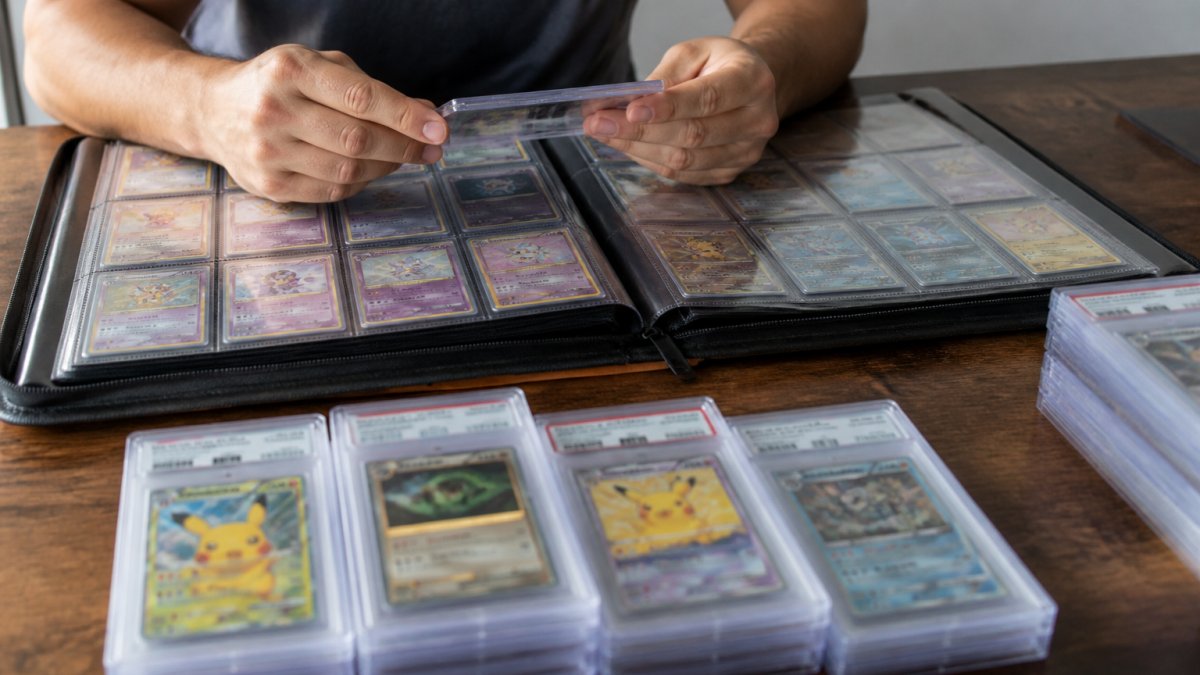
If you want to sell premium Pokemon cards, pricing a collection starts with separating graded cards from raw singles, because each follows a different valuation path. Graded cards sell against recent comparable sales, while raw cards sell against condition-adjusted estimates that buyers discount for every flaw they can find.
Graded card valuation means checking what a card in the same grade actually sold for, not what sellers are asking. Completed sales on major marketplaces and auction archives give you the real number. Listings that never sold are noise, and most sellers ignore that distinction.
Raw card valuation is an estimate, not a fact. Buyers deduct for centering, surface scratches, edge wear, and corner damage before they make an offer. A card that looks near-mint to you may grade several points lower under a loupe.
That gap between what you think a card is worth and what a buyer will pay is where most negotiations stall. BryanSC specializes in purchasing high-quality collectibles, focusing on Pokemon singles valued over $10, as well as graded Pokemon and sports cards. The pricing conversation starts from the same comparables you can check yourself.
Checking Recent Sales Data for Graded Cards
Pull the last several completed sales for the exact card, grade, and grading company. A PSA 9 and a BGS 9.5 are not interchangeable, and buyers price them differently. Look at sale dates too: a card that peaked during a hype cycle may have settled since.
Raw Card Condition Reports and What Buyers Deduct
Write an honest condition report for every raw card before you list it. Note centering ratios, surface issues, edge whitening, and corner softness. Buyers deduct for each one, and hiding a flaw costs you the sale and your reputation when the card arrives.
Step-by-Step Audit of Your Pokemon Collection Before Selling
A collection audit takes an afternoon and saves you from underselling. Sort every card into three piles, document condition, and build a simple inventory list before you contact any buyer.
- Sort by category. Separate chase rares, vintage WOTC cards, and bulk buylist material.
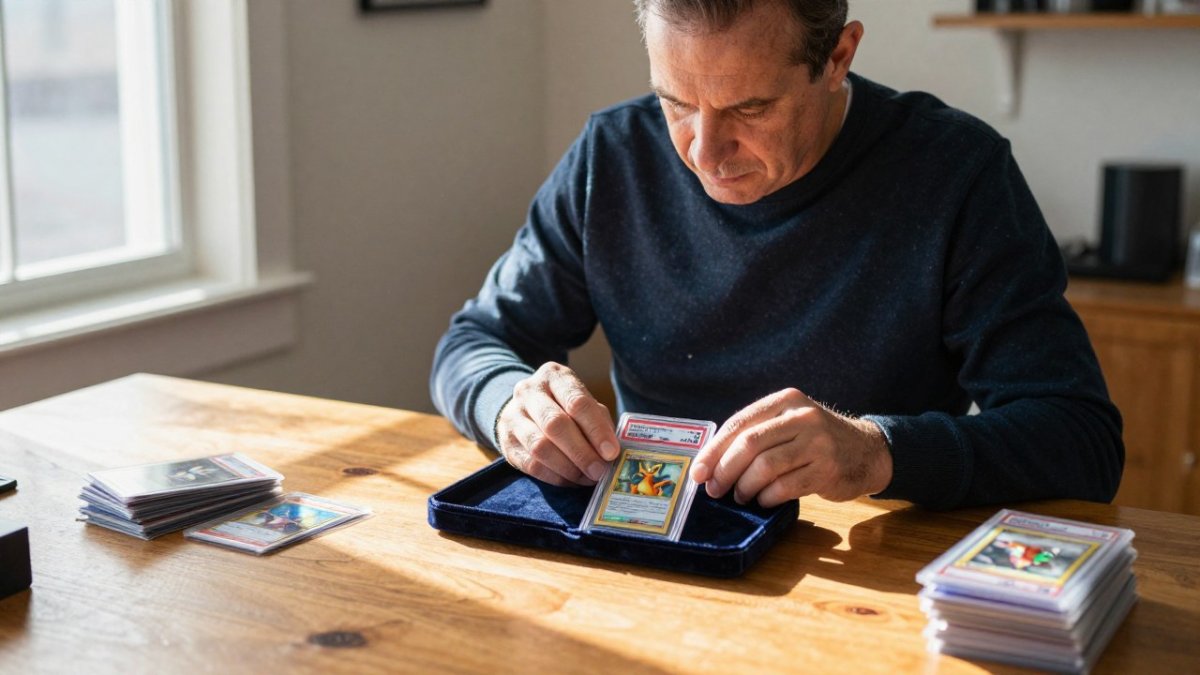
- Check condition on anything valuable. Use a loupe and good lighting.
- Record each card. Name, set, number, condition, and your estimated value.
- Photograph the high-end cards. Front and back, in consistent lighting.
- Flag anything ungraded but valuable. These may justify grading before sale.
Separating Chase Rares, Vintage WOTC, and Bulk Buylist Cards
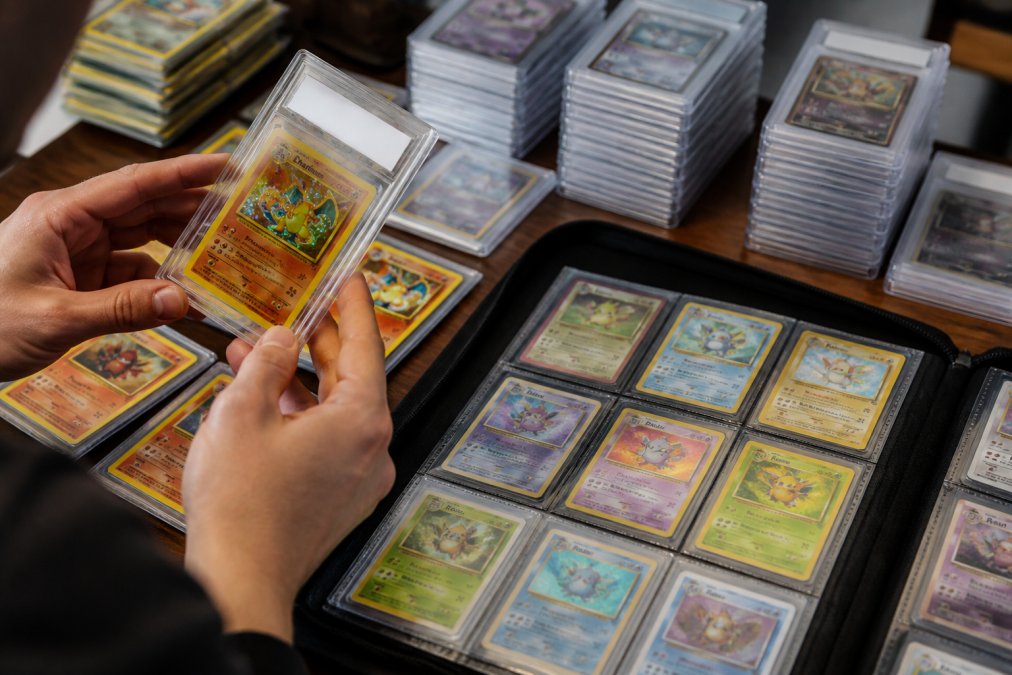
Chase rares are the cards collectors actively hunt, usually alternate arts, secret rares, and low-population pulls. Vintage WOTC cards from the original sets carry nostalgia premiums and often grade well. Bulk buylist cards are everything else, and they sell by the stack or the box, not individually.
Documenting Condition and Building an Inventory List
Your inventory list is your negotiating document. A buyer who sees organized, accurate records can move faster and quote more confidently. Sloppy lists invite lowball offers because the buyer has to assume the worst on every card they cannot verify.
Selling to Professional Card Buyers vs. Marketplaces
Professional buyers pay faster and take less of your time. Marketplaces pay more per card on a good day, but you absorb the listing work, fees, shipping, and returns.
Here is the trade-off in plain terms:
| Route | Payout Speed | Payout Amount | Effort Required |
|---|---|---|---|
| Professional buyer | Fast, often days | Wholesale, below retail | Low, one transaction |
| Online marketplace | Slow, weeks | Higher per card | High, per-card work |
| Local shop | Same day | Lowest | Low, but limited reach |
| Consignment | Slowest | Highest on premium cards | Moderate |
Payout Speed vs. Payout Amount: What You Trade Off
When you sell premium Pokemon cards online through a marketplace, you can net more per card, but you wait for buyers, pay transaction fees, and handle shipping on every order. A professional buyer consolidates that into one transaction with a faster payout. If you need cash quickly and value your time, the buyer route usually wins. If you have months to spare and enjoy the process, marketplaces can pay more.
How to Ship High-Value Trading Cards Safely
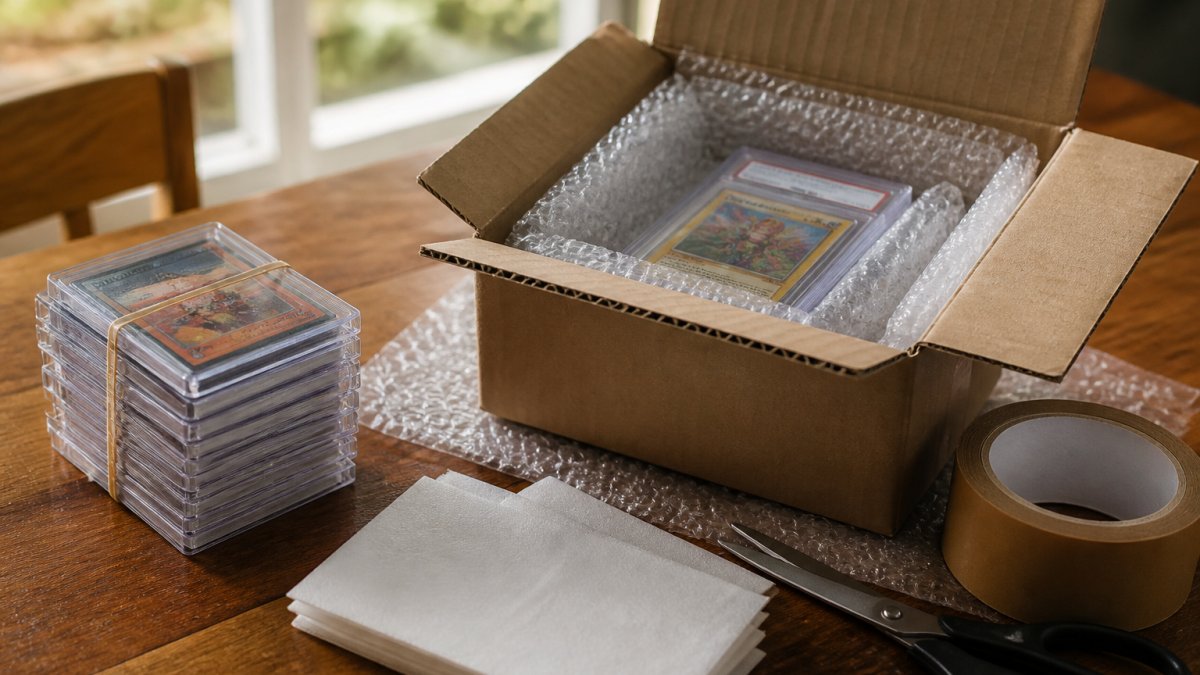
Safe shipping for high-value cards means three layers of protection: a sleeve, a rigid holder, and a padded outer envelope with tracking.
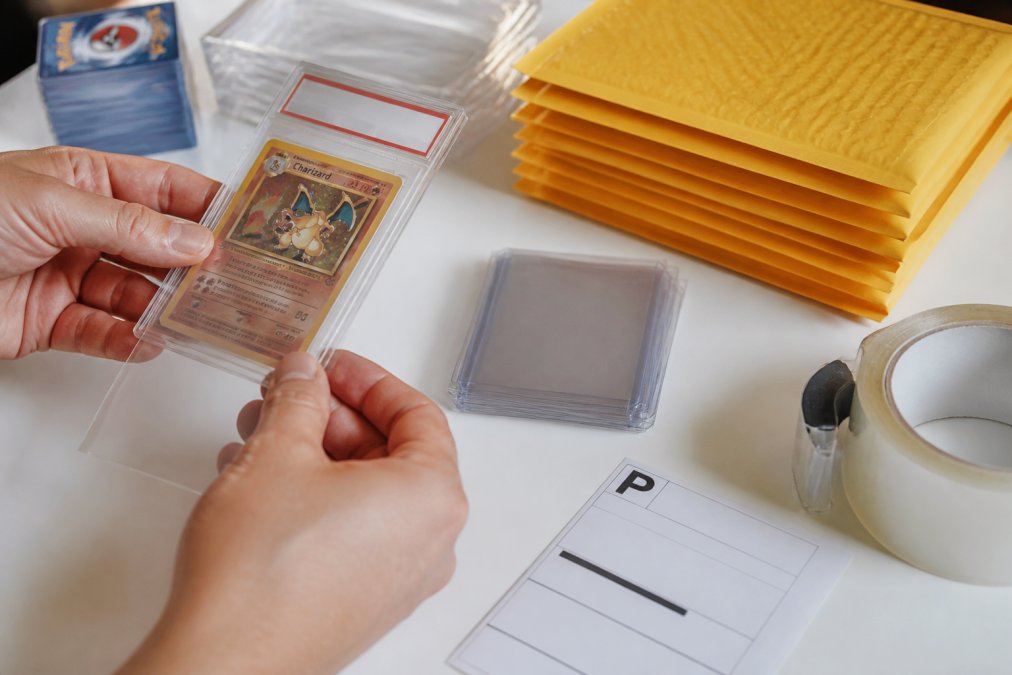
Card Sleeves, Top Loaders, Bubble Mailers, and Tracking Numbers
Shipping Insurance and Who Covers Loss in Transit
| Carrier | Default coverage | Extra coverage available | Signature option |
|---|---|---|---|
| USPS | Priority Mail includes limited coverage; Priority Mail Express includes more | Additional insured value purchased at the counter or online, up to carrier limits | Signature Confirmation or Adult Signature |
| UPS | Declared Value up to a stated cap per package | Additional Declared Value for higher-value shipments | Adult Signature Required |
| FedEx | Declared Value up to a stated cap | Additional declared value above the cap | Adult Signature Required, Direct Signature |
Two things sellers get wrong:
Secure Logistics for a Whole Collection, Not Just One Card
Fraud Protection and Buyer Reputation When Selling Pokemon Cards Online
Taxes and Capital Gains on Premium Pokemon Card Sales
Collectibles Get a Higher Long-Term Rate Than Stocks
Cost Basis: The Number Most Sellers Get Wrong
The 1099-K Threshold and What Triggers a Form
A few practical points:
Sales Tax, Marketplace Facilitator Laws, and Who Collects
Frequently Asked Questions
What is the best way to sell a Pokemon card collection with high-end graded cards?
Separate graded cards from raw singles and bulk first, then get pricing from recent sales data on the same grade and card. For cards worth $500 or more, selling to a professional card buyer often beats listing on marketplaces because you avoid transaction fees, chargebacks, and shipping risk. Get a quote before shipping, confirm payout timing, and use insured shipping with tracking numbers. Bryan Sports Cards buys graded Pokemon and higher-end singles, so you can request a quote before sending anything in.
How do I determine the fair market value of my graded Pokemon cards?
Pull the last 10 to 15 sold listings for the exact card, grade, and grading company. Filter out auctions that ended below market because of poor photos or low seller feedback. Average the middle range, not the highest outlier. Raw cards need a condition report: check centering, corners, edges, and surface. A card that would grade a PSA 9 is worth far more than one with a crease. Condition drives the offer, so photograph flaws honestly before requesting a quote.
Is it safer to sell to a professional card buyer or list on a marketplace?
Professional buyers carry less fraud risk. You get one transaction, one payment, and no chargebacks or return scams. Marketplaces can net more per card, but you handle listing, negotiation, shipping, and disputes yourself. For a premium Pokemon card collection, the safer path is a buyer who provides a written offer, insured shipping instructions, and a clear payout method. If you sell on a marketplace, check buyer reputation and never ship before payment clears.
How should I ship high-value trading cards safely?
Use a penny sleeve, then a top loader or Card Saver, then a team bag to seal it. Sandwich the card between rigid cardboard and place it in a bubble mailer. For orders above $100, add shipping insurance and a tracking number, and require a signature on delivery. Ship in a box, not an envelope, when sending multiple graded slabs. Photograph the packed box before sealing it. That photo protects you if the package is damaged or lost in transit.
Can I sell raw Pokemon singles, or do they need to be graded first?
You can sell raw singles. Grading adds cost and turnaround time, and it only pays off when the card is likely to score a 9 or 10. For cards worth $10 to $50 raw, the grading fee often eats the premium. Buyers who focus on higher-end singles will still quote raw cards based on a condition report. If you are unsure, get a quote on the raw card first, then compare it to the graded value minus the grading fee.
How fast do professional card buyers pay out after receiving my cards?
Payout speed varies by buyer and by how many cards need verification. Some buyers inspect and pay within a few business days; others take weeks. Ask for the payout window in writing before you ship, and confirm the payout method: ACH, check, or store credit. Faster payout often means a slightly lower offer, while a higher offer may mean a longer inspection period. Match the timeline to your cash needs, not just the top-line number.
Selling a premium collection comes down to accurate pricing, clean documentation, and choosing the right route for your timeline. If you want a single transaction with a fast payout and no marketplace hassle, Bryan Sports Cards buys graded Pokemon and sports cards along with higher-end singles valued over $10. Sign up and get a straightforward offer on your collection.