 blog
Who Are the Top Rated Pokémon Card Buyers in 2026?
Last Updated: November 2, 2026
Quick Summary
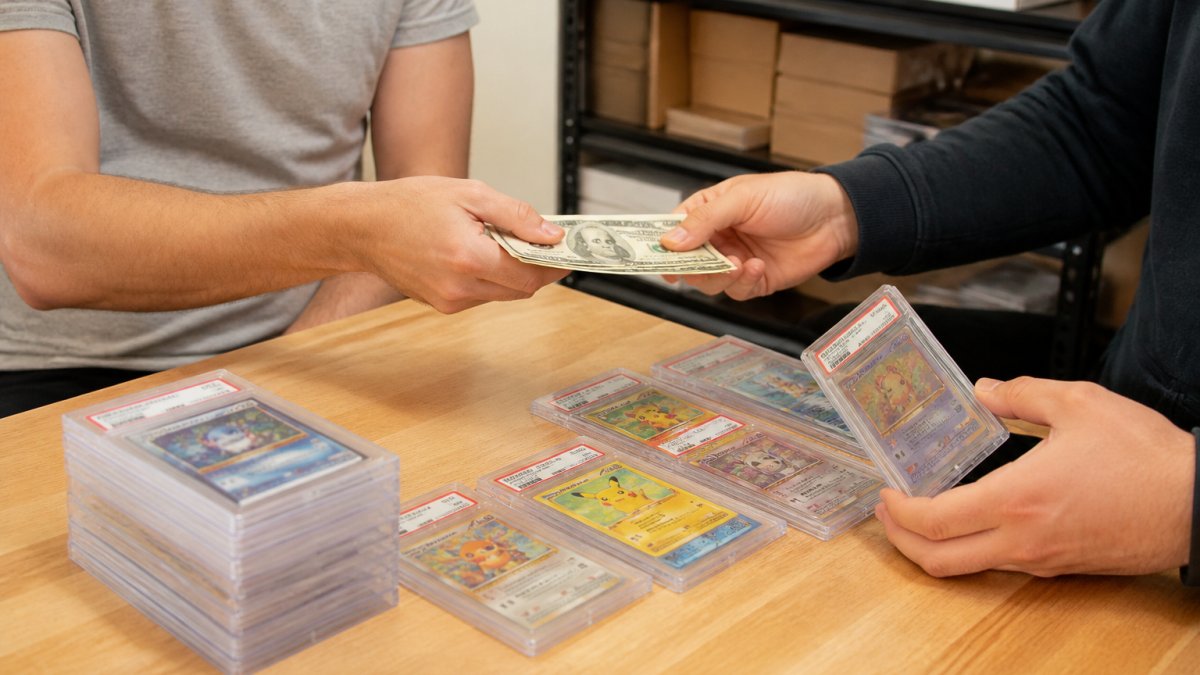
The top rated pokemon card buyers in 2026 are specialized card buyers who purchase graded cards and raw singles over $10 with firm written offers, no fees deducted, and fast payment after inspection. They beat auction marketplaces and local shops on certainty and net payout for most sellers.
- Specialized buyers typically pay a few business days after delivery and inspection.
- Auction marketplaces pay after the sale closes, often weeks from listing to payout.
- Local card shops offer immediate cash but discount offers to cover store overhead.
- Compare net proceeds after fees and shipping, not headline offers.
- Verify offer terms, payment timeline, and insurance in writing before shipping.
Table of Contents
- What Makes a Pokémon Card Buyer Top Rated in 2026
- Comparison Table: Top Rated Pokémon Card Buyers at a Glance
- The Best Place to Sell Pokémon Cards: Matching the Marketplace to Your Collection
- When and Where to Sell Graded Pokémon Cards
- Using a Pokémon Card Price Guide to Set Realistic Expectations
- How to Get the Best Offer for Pokémon Cards
- How to Evaluate and Verify a Buyer Before You Ship
- Get Your Cards in Front of a Buyer Who Pays for Quality
- Frequently Asked Questions
What Makes a Pokémon Card Buyer Top Rated in 2026
The top rated pokemon card buyers in 2026 earn that label through verified payouts, transparent offer terms, and fast payment after inspection. Price alone doesn't get a buyer to the top.
At bryan sports cards, we buy graded Pokémon and sports cards plus Pokémon singles valued over $10, so we know what separates a serious buyer from a storefront that lowballs and stalls.
Below, we rank the buyer types you'll encounter, explain how to check each one before you ship, and show you how to get a fair offer without leaving money on the table.
Comparison Table: Top Rated Pokémon Card Buyers at a Glance
This guide compares the buyer types you can sell to and the criteria that decide your net payout: offer level, fees, payout method, turnaround, shipping cost, and eligibility. Use it to shortlist two or three options, then verify each one with the checklist further down.
| Rank | Buyer Type | Best For | Typical Offer Level | Fees to You | Payout Method | Turnaround | Shipping Cost | Eligibility |
|---|---|---|---|---|---|---|---|---|
| 1 | Specialized card buyers (graded + high-end singles) | Graded cards, raw singles over $10, vintage grails | Firm written offer, typically below recent sold comps to cover inventory risk | None, outright purchase | ACH, check, or PayPal after inspection | Fast: often a few business days after delivery and inspection | Usually prepaid or reimbursed on approved shipments | Card list and minimum value thresholds apply |
| 2 | Auction marketplaces | Scarce grails where price discovery matters | Final hammer price, minus seller fees | Seller fees and payment-processing fees apply | Payout after the sale closes and funds clear | Slow: weeks from listing to payout | You pay outbound shipping and insurance | Account, seller verification, and listing standards |
| 3 | Local card shops | Bulk, quick in-person cash, low-value raw | Lower offer to cover store overhead | None, but offer is discounted | Cash or store credit in person | Immediate | None if you walk in | In-person only; inventory and hours vary |
| 4 | Online general marketplaces | Mid-range singles sold directly to another collector | Buyer-to-buyer price, before fees | Listing, payment, and shipping fees | Platform payout after delivery confirmation | Variable: days to weeks | You pay shipping and packing | Account and seller rating requirements |
| 5 | Consignment sellers | High-value cards you can't price confidently | Percentage of final sale | Commission on the final sale price | Payout after the item sells | Slowest: after sale and settlement | Usually handled by the consignor | Contract and minimum-value terms |
How to read the ranking. Rank 1 wins on certainty and net payout for most sellers because there is no fee deducted and the offer is documented before you ship.
The criteria that actually move your net payout:
- Offer level vs. recent sold comps. A firm offer below comps can still beat an auction's headline number once fees are subtracted.
- Fees. An outright buyer deducts nothing; auction and marketplace sales deduct seller and processing fees from the final price.
- Payout method and timing. ACH and check are common for specialized buyers; platform payouts wait for delivery confirmation.
- Turnaround. Inspection-based buyers pay after the cards arrive and are checked; auctions pay after the sale.
A common pattern is that sellers chase the highest quoted number and then lose the difference to fees and shipping. Match the buyer type to the card first, then compare net payout within that type.
The Best Place to Sell Pokémon Cards: Matching the Marketplace to Your Collection
The best place to sell Pokémon cards depends on what you're holding. Graded cards and high-end singles belong with a specialized buyer who quotes fast and pays outright.
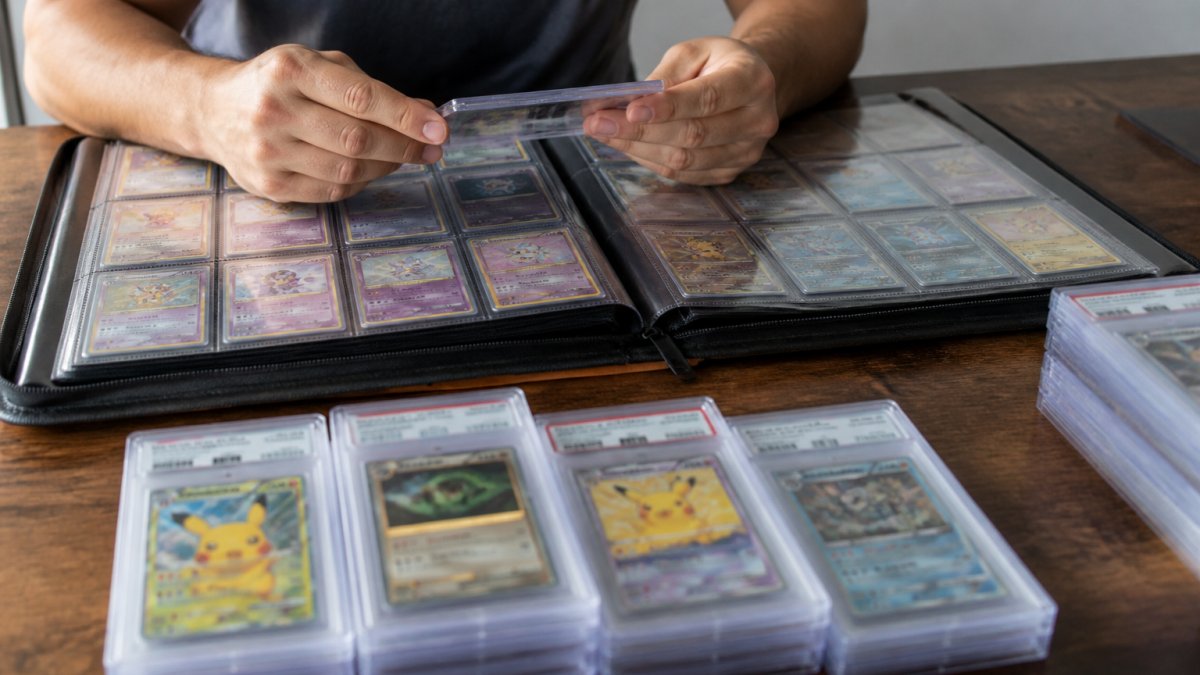
Run this quick sort before you contact anyone:
- Graded cards (PSA, BGS, CGC): specialized buyers and auction houses. These hold the most value and deserve a real quote.
- Raw singles over $10: specialized buyers who price raw cards. Condition matters enormously here.
- Raw singles under $10: bulk buyers or local shops. Don't pay to ship cards worth less than the postage.
- Sealed product: collectors and auction marketplaces, where sealed demand runs strong.
A common mistake is mailing an entire collection to one buyer and accepting a single blended number. Sort first. You'll get more for the good cards and waste less time on the rest.
When and Where to Sell Graded Pokémon Cards
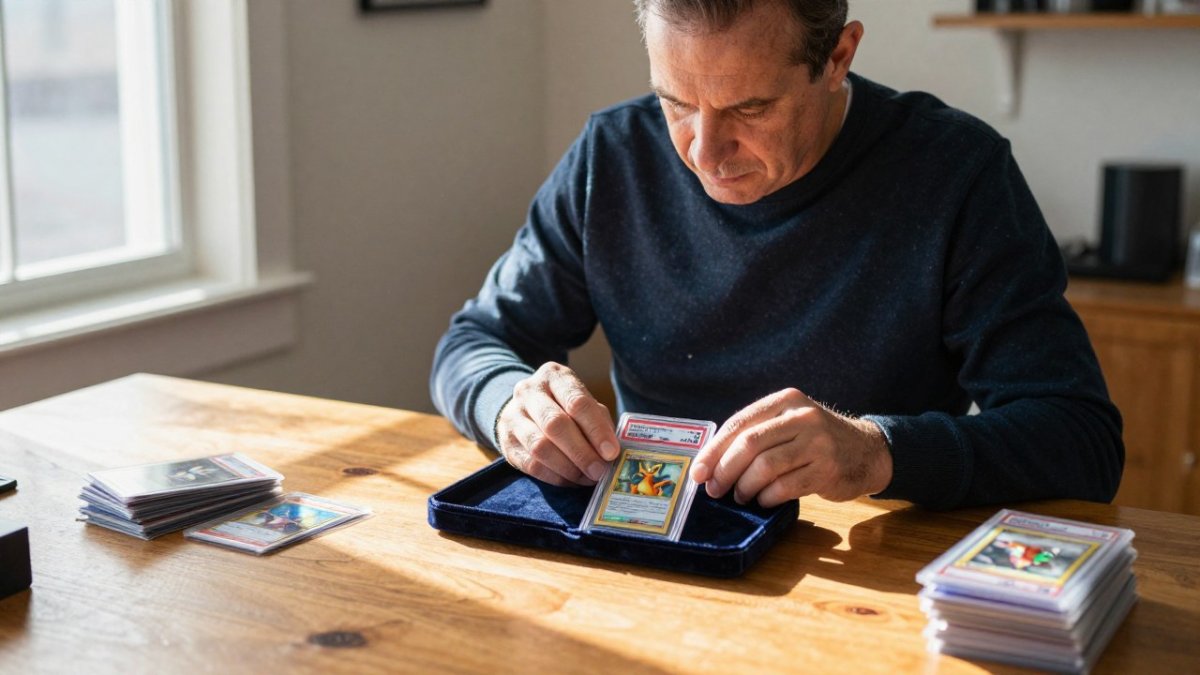
Sell graded Pokémon cards to a buyer who specifically advertises graded inventory, and time the sale around demand rather than urgency.
Where you sell graded cards matters more than when. Auction marketplaces can produce strong results on scarce, high-demand grades, but you pay seller fees and wait for payout.
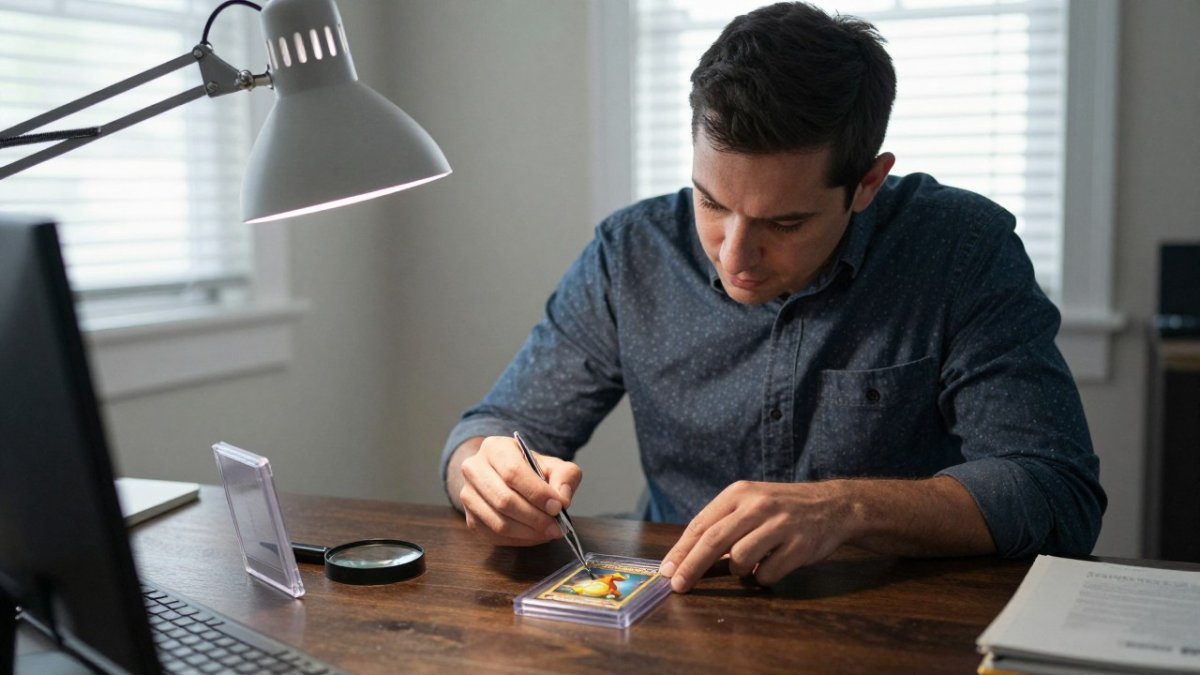
Verify the grade and cert number before you list or quote. A mismatched cert kills a deal at inspection and wastes everyone's shipping budget.
Using a Pokémon Card Price Guide to Set Realistic Expectations
A Pokémon card price guide is a reference for recent sale prices, not a guarantee of what you'll receive. Guides show what buyers paid on marketplaces, which includes fees and reflects completed sales. Your offer will sit below that number because the buyer carries inventory risk. The useful skill is translating a guide price into a realistic net payout before you accept anything.
Read a price guide the way a buyer does:
- Check sold listings, not asking prices. Asking prices are wishes. Sold prices are facts.
- Match the exact card, set, and collector number. A card from the wrong set or print run is a different card.
- Compare like condition. A raw near-mint card and a PSA 9 are not the same asset.
- Look at the trend, not one sale. A single spike can mislead. A steady range tells the truth.
Worked example: from guide price to net proceeds
Suppose a guide shows recent sold prices around $500 for a graded card in the same grade. Here is how the same card nets out across buyer types, using illustrative numbers to show the mechanism rather than a quote:
| Path | Gross | Fees | Shipping / Insurance | Net to You |
|---|---|---|---|---|
| Specialized buyer, firm offer at 80% of comps | $400 | $0 | Prepaid or reimbursed | About $400 |
| Auction at full comps | $500 | Seller and processing fees apply | You pay outbound shipping and insurance | Meaningfully below $500 after fees and shipping |
| Marketplace direct sale at comps | $500 | Listing and payment fees apply | You pay shipping and packing | Below $500 after fees and shipping |
The lesson: an outright offer below comps can beat a full-price auction once fees and shipping are subtracted. Run this math on your own card before you decide which path is "better."
Negotiating the offer
- Anchor to sold comps, not asking prices. Cite the specific sold listings you matched on card, set, collector number, and grade.
- Ask what triggers a post-inspection adjustment. Get the conditions in writing so the number doesn't move after you ship.
- Bundle strategically. High-value cards can carry the shipment; ask whether including mid-range singles improves the blended offer or dilutes it.
- Compare net, not gross. Put each buyer's offer minus fees, shipping, and insurance side by side before you commit.
A verbal quote means nothing until it's in writing. Buyers who estimate over the phone and revise after inspection are the most common source of seller frustration. Insist on a documented offer with the conditions spelled out. ::: Clear terms protect your interests just as effectively when buying sealed products, ensuring that the final transaction matches the initial agreement.
Use the guide to set a floor and a target, then get quotes and do the net-proceeds math. If a buyer's net offer lands far below recent sold prices for the same grade, walk away. If it lands close, you're dealing with someone who prices honestly.
How to Get the Best Offer for Pokémon Cards
Getting the best offer for Pokémon cards starts with preparation, not negotiation. Buyers quote higher when they can verify condition, grade, and authenticity quickly. Make that easy and your number improves.
- Photograph front and back in good light. Show corners, edges, and surface clearly.
- List set name, collector number, and grade for every card.
- Separate high-value cards from bulk so the buyer sees the good stuff first.
- Ask for the offer in writing before you ship anything.
Watch out: a verbal quote means nothing until it's in writing. Buyers who "estimate" over the phone and revise after inspection are the most common source of seller frustration.
How to Evaluate and Verify a Buyer Before You Ship
Verify any pokemon card buyer by confirming four things in writing: their offer terms, their payment timeline, their insurance and shipping responsibility, and their track record with sellers like you. Skip any one of these and you're trusting a stranger with your cards.
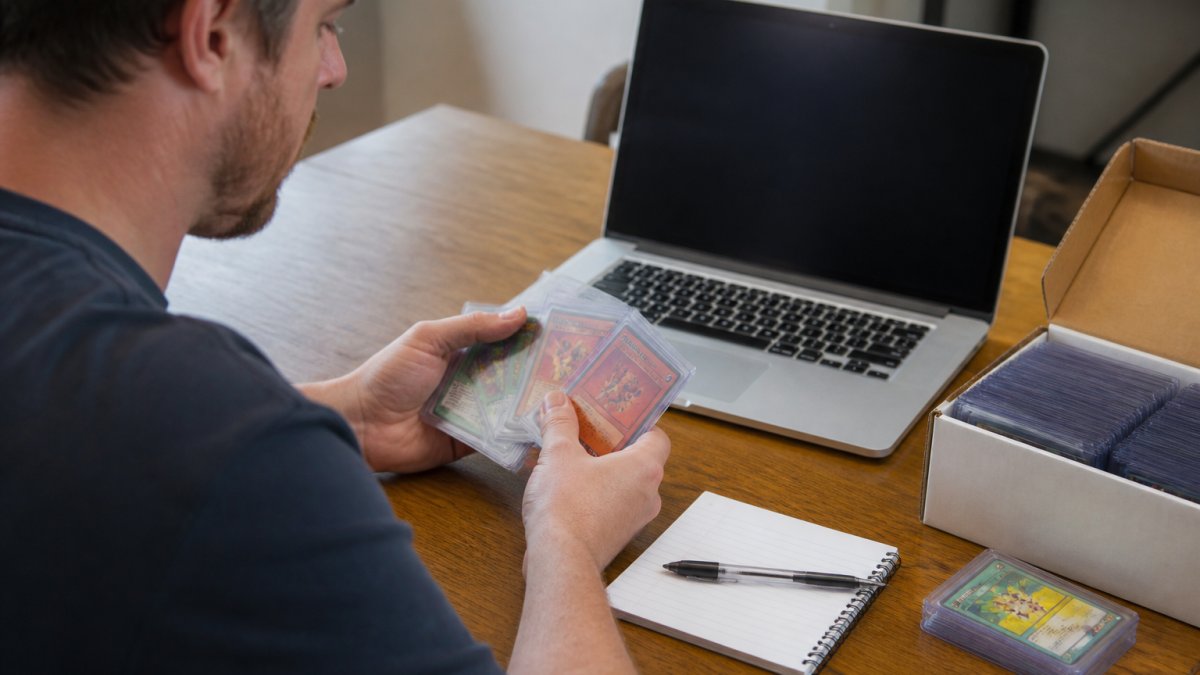
Use this checklist before any high-value shipment:
- Offer is in writing, with the card list and prices itemized
- Payment timeline is stated (how many days after inspection)
- Shipping is insured, and the policy on lost or damaged cards is clear
- Buyer confirms they handle the card volume and value you're sending
If a buyer dodges the insurance question or won't put terms in writing, that's your answer. The best buyer will welcome the questions because they have nothing to hide.
Get Your Cards in Front of a Buyer Who Pays for Quality
Selling premium cards shouldn't feel like a gamble. The right buyer quotes in writing, insures the shipment, and pays fast after inspection, so you know exactly what you're getting before your cards leave your hands.
At bryan sports cards, we buy Pokémon singles valued over $10 and graded Pokémon and sports cards. We prioritize graded inventory and higher-end singles. Send us your card list to request a quote. Sign up with bryan sports cards to get started.
Frequently Asked Questions
Who buys Pokémon cards for the most money?
Buyers who specialize in high-end graded cards and premium singles typically pay the most, because they resell to collectors who want authenticated inventory. General marketplaces can produce higher gross prices but take seller fees and time. Compare total payout, not sticker price, before you commit.
Do buyers pay more for graded Pokémon cards?
Yes, generally. Graded cards from PSA or BGS carry verified condition and authentication, which removes risk for the buyer and usually raises the offer. Raw cards can still sell well, but expect closer inspection and more condition-based negotiation. If you plan to sell graded Pokémon cards, have the cert numbers and slab condition ready so buyers can verify quickly and quote accurately.
How do I compare offers from Pokémon card buyers?
Line up offers on four numbers: gross quote, fees, shipping cost, and total payout after everything. Then check payout speed and whether the quote is locked or subject to inspection. Ask each buyer how they handle raw versus graded cards and what happens if a card arrives damaged. A slightly lower offer with fast, verified payment often beats a higher quote that shrinks after inspection.
How should I prepare Pokémon cards before selling them?
Sort cards by graded versus raw, then by set and collector number. Look up recent verified sales in a Pokémon card price guide so you know the current market price range. Photograph fronts and backs in good light, note any whitening or surface issues, and pack cards in penny sleeves and top loaders before shipping. Clear documentation speeds up inspection and helps you get the best offer for Pokémon cards.
Ready to sell? Gather your card list and photos, request a written offer from bryan sports cards, and ship only once the terms are confirmed. Your cards deserve a buyer who prices them honestly and pays on schedule.