 How-to
Can You Grade Cards With Minor Surface Scratches?
Quick Summary
Yes, you can grade cards with minor surface scratches. Grading companies accept raw cards in all conditions, but a visible scratch lowers the surface score and can cap the final grade you receive. Faint marks often have little effect, while deep or obvious damage usually matters more.
- Minor scratches do not disqualify a card from being graded.
- Scratches mainly lower the surface sub-grade and can cap the overall grade.
- Inspect both sides under diffuse light, then raking light, then at 10x magnification.
- Do not rub, clean or wax a scratch, because this can make it worse and may be detected.
- Submit if the card is valuable and the flaws are minor; sell raw if fees exceed the likely gain.
Table of Contents
- Yes, Minor Scratches Don't Stop a Card From Being Graded
- How Much Do Scratches Affect Grading?
- Light Scratches on the Back of a Pokémon Card
- How to Inspect a Card Before Grading
- How Grading Companies Handle Surface Defects Differently
- How to Get a Scratch Out of a Sports Card (and Why You Might Not Want To)
- Deciding Whether to Submit a Scratched Card or Sell It Raw
- Frequently Asked Questions
Yes, you can grade cards with minor surface scratches, but a scratch can affect the grade you receive when you send your grade cards in for review. Grading companies such as PSA, Beckett (BGS) and SGC examine the surface of every card they assess, so a visible scratch is one of the flaws they will weigh. Many collectors find that light, hard-to-see marks do not change the outcome much, while deep or obvious damage often does. This guide explains how scratches are judged, how to inspect your card before you submit it, and when it makes more sense to sell it raw.
Yes, Minor Scratches Don't Stop a Card From Being Graded
A card with a minor scratch can still be submitted for grading. Grading companies accept raw cards in all kinds of condition, and a small flaw does not disqualify a card from the process.
The real question is what grade the card will receive. A scratch lowers the surface score, and that can cap the final grade. Before you pay submission fees, you should expect a lower grade than a flawless copy would earn.
Quick answer:
- Minor scratches are allowed for grading.
- They can lower the surface sub-grade.
- Severe or visible scratches usually have a bigger effect than faint ones.
How Much Do Scratches Affect Grading?
Scratches affect grading most when they are visible under normal light. Graders examine both sides of the card, and they inspect the surface closely.
The impact depends on the scratch's size, depth, location and number.
Minor Versus Severe Surface Damage
Minor damage is usually a faint line or a light surface mark. Severe damage is deep, wide or easy to spot without tools.
Micro-Scratches and Hairline Scratches
Micro-scratches and hairline scratches are the tiniest surface marks, and they are often invisible in normal light.
How much a scratch matters depends on its size, depth, location and visibility, as summarised below.
| Damage type | What it looks like | Likely impact |
|---|---|---|
| Minor damage | Faint line or light surface mark | Often small effect on grade |
| Severe damage | Deep, wide or easy to spot without tools | Usually bigger effect on grade |
| Micro-scratches and hairline scratches | Tiny marks, often invisible in normal light | Usually little effect |
Light Scratches on the Back of a Pokémon Card
Scratches on the back of a card can still affect how it is assessed, so inspect both sides before you submit.
How to Inspect a Card Before Grading
A repeatable inspection is the difference between a realistic submission and an expensive surprise. The method below is the same sequence most experienced submitters use: control the environment, inspect under two kinds of light, magnify, and record what you find. Do it the same way every time so you can compare cards and track how your eye improves.
Step 1: Set up a clean, controlled workspace
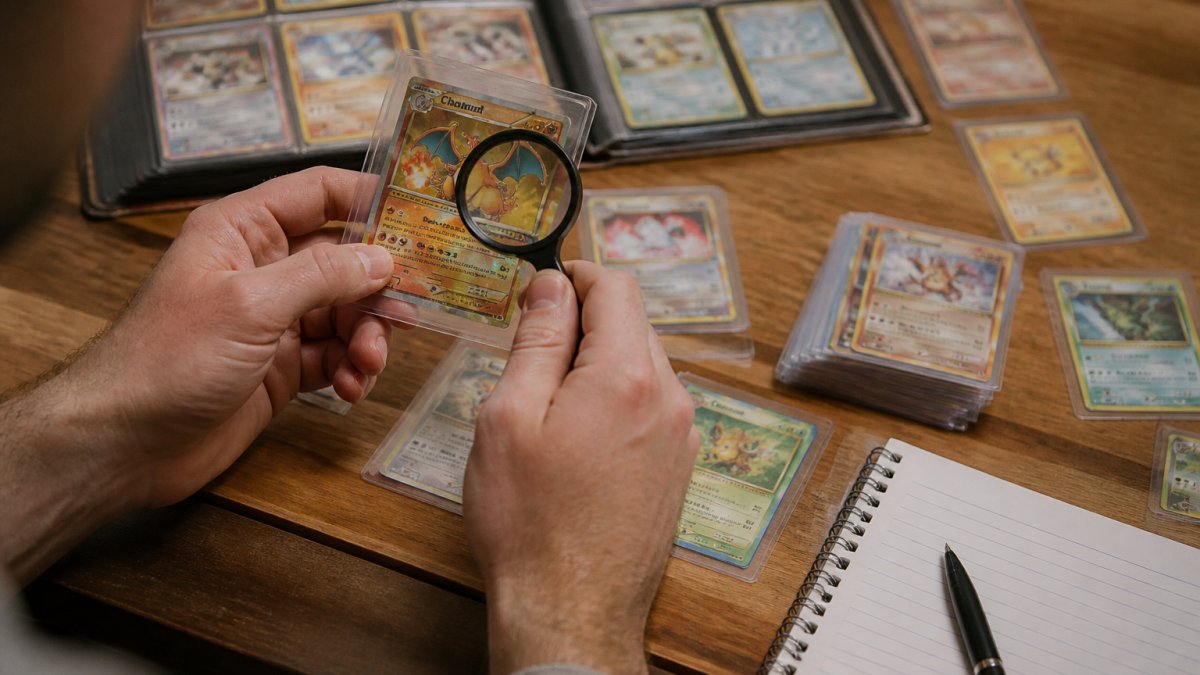
Work on a soft, non-abrasive surface such as a clean microfiber mat or a sheet of unprinted paper. Wash and dry your hands, or wear nitrile gloves, because skin oils and lotions leave haze that can look like surface wear under a grader's lamp. Keep food, drinks, and dusty cloths away from the area. Have your tools ready before you touch the card: a 10x loupe or jeweler's loupe, a bright desk lamp you can angle, a soft brush, and penny sleeves and top loaders for storage.
Step 2: Handle only by the edges
Pick the card up by opposite edges, never by the face. Support the back with your fingers along the border. If you need to flip it, set it down first and pick it up from the other side rather than rotating it in your hand. This one habit prevents most of the handling scratches collectors add during inspection.
Step 3: Inspect under diffuse light first
Diffuse light is broad, even illumination, such as a ceiling fixture or a lamp bounced off a white wall. Under diffuse light you are looking for the obvious: deep scratches, scuffs, print lines, and cloudiness. Tilt the card slightly in several directions and note anything you can see without straining. This pass tells you whether the card is a candidate for a high grade at all.
Step 4: Switch to raking light for faint defects
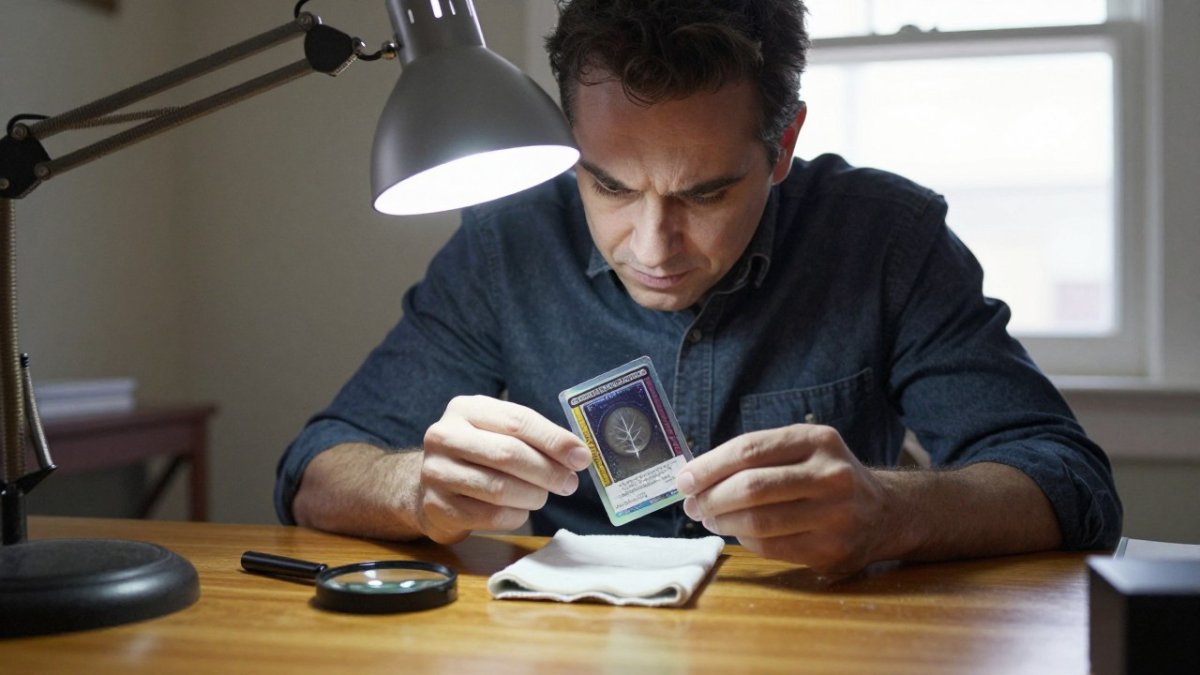
Raking light is a single light source held low and to the side, almost parallel to the card surface. This is the pass that reveals hairline scratches, micro-scratches, and light surface haze that diffuse light hides. Hold the lamp at a shallow angle and rotate the card slowly through a full turn, because many scratches only catch the light from one direction. Repeat on the back. A common pattern is that a card looks clean under diffuse light and shows several faint lines under raking light.
Step 5: Magnify at 10x
A 10x loupe is the standard magnification for surface inspection. Bring the loupe close to your eye and the card close to the loupe, then focus by moving the card, not your head. Check the artwork, the text box, the border, and the corners on both sides. At 10x you can distinguish a true scratch, which has a sharp edge and catches light, from a print line, which is a thin line in the ink that does not reflect the same way. That distinction matters because graders treat them differently.
Step 6: Record findings before you forget them
Write down or photograph each flaw: which side, roughly where on the card, how long, and whether it is visible under diffuse light or only under raking light. This record is your baseline. When the card comes back from grading, you can compare the assigned grade to your notes and calibrate your eye for next time.
Step 7: Decide whether the flaws are minor or severe
Use your notes to decide whether the card is clean enough to submit or whether the flaws make grading a poor bet.
Watch out: do not rub the surface with a cloth, eraser, or finger to test whether a mark is a scratch. Rubbing can turn a faint line into a visible scuff and can add new micro-scratches, which is the opposite of what you want before submission.

How Grading Companies Handle Surface Defects Differently
Grading companies publish their own scales, and surface is only one input. Always read the current published grading standards and fee schedule on each company's site before you submit, because scales, service tiers, and prices change.
PSA: a single overall grade with surface as one factor
PSA assigns a single numerical grade from 1 to 10, with 10 being Gem Mint. Surface is one of several factors weighed alongside centering, corners, and edges. PSA's published standards describe grades in terms of overall eye appeal, so a visible scratch can keep a card out of the top grades even when the other three factors are strong. For collectors, the advantage is a simple, widely recognized label; the trade-off is that you do not get a separate surface score to explain why a card landed where it did.
Beckett (BGS): separate sub-grades that expose the surface score
BGS reports sub-grades for centering, corners, edges, and surface, plus an overall grade. Because surface is broken out, a card with a faint scratch may show a strong overall grade with a visibly lower surface sub-grade. That transparency is useful when you are trying to learn how graders see surface flaws, and it is useful to buyers who want to know exactly where a card loses points. The trade-off is that a weak surface sub-grade is visible to everyone, which can affect resale even when the overall grade is respectable.
SGC: a straightforward grade with a reputation for consistency
SGC assigns a single numerical grade and is often chosen by collectors who want a clean, consistent label at a lower submission cost than the largest services. Surface is judged alongside the other factors, and minor marks may be tolerated at mid-range grades. As with any service, confirm current turnaround times and fees before you commit.
What the differences mean for a scratched card
Do not assume that a scratch which looks minor to you will be scored the same way by every company. Check each company's current published standards before you submit.
PSA grading standards Beckett grading services and sub-grade definitions SGC grading services
How to Get a Scratch Out of a Sports Card (and Why You Might Not Want To)
Some collectors try to remove a scratch with cleaning products, polishing or rubbing. We do not recommend this. Attempts to remove a scratch often make it worse. The surface can dull, the print can fade, and the card can lose its original finish. Graders can also detect altered surfaces, which can hurt your grade or even get the card flagged.
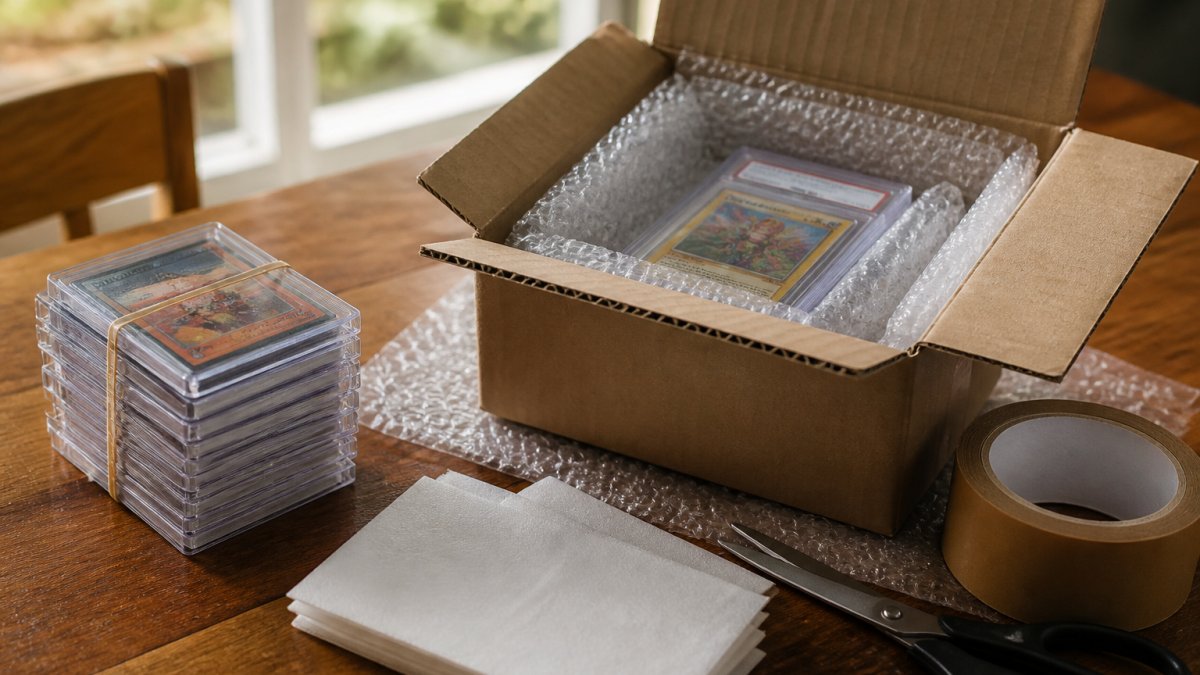
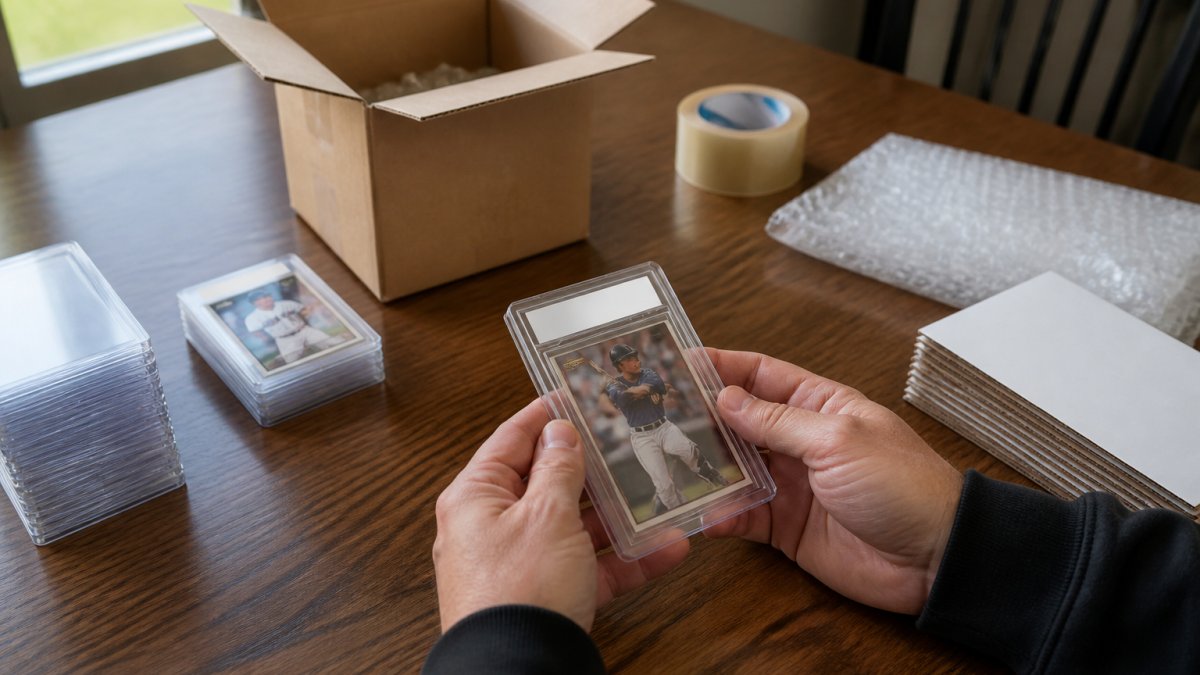
Safe handling and prevention matter more than repair. Store cards in sleeves and top loaders, keep them out of stacks that can rub, and avoid touching the surface with your fingers.
Common mistakes to avoid:
- Rubbing the surface with a cloth or eraser
- Using household cleaners or solvents
- Applying wax or coatings to hide a mark
- Assuming a scratch can be fully removed
Deciding Whether to Submit a Scratched Card or Sell It Raw
Use this simple framework to decide what to do next:
- Submit for grading if: the card is valuable, the flaws are minor, and you expect the grade to justify the fees.
- Sell raw if: the grading fees would exceed the likely value gain, or the scratch is severe enough to cap the grade low.
- Keep it if: the card matters to you personally, even if its market value is limited.
Estimating the final grade is difficult. Grade prediction is never certain, and two graders can see the same card differently. Treat any predicted grade as a best guess, not a promise.
At bryan sports cards, we buy graded Pokemon and sports cards, and we also look at raw Pokemon singles valued over $10. Pricing depends on the card, its condition and current market demand, so check our website for current buying details or request a quote before you ship anything.
Last Updated: November 21, 2026
Frequently Asked Questions
Can a PSA 9 card have scratches?
A PSA 9 can carry visible surface wear, including light scratches, as long as the overall card still meets the grader's standard for that grade. Grades are assigned based on the combined condition of centering, corners, edges, and surface rather than a single flaw. The answer depends on the specific card and the severity of the flaw.
Does PSA grade the back of cards?
Inspect the back of the card as carefully as the front before you submit it.
How can you tell a scratch from a print line?
Tilt the card under a single light source and look at the line from different angles. If the line catches light differently depending on the angle, it is more likely a scratch.
Can you remove scratches from a trading card?
Attempting to remove a scratch usually does more harm than good. Polishing, buffing, or applying any product to the surface can alter the card's finish, leave visible residue, or create new marks, and graders can often detect altered surfaces. The safer approach is to accept the flaw as it is, price the card honestly based on its current condition, and focus on preventing future damage through careful handling and proper storage in sleeves and top loaders.